Carrier Deals vs Unlocked Phones: The True Cost
Breaking Down Upfront Costs, Long-Term Expenses, and Hidden Trade-Offs Between Subsidized Phones and Unlocked Freedom
Published: January 6, 2026 | Reading Time: 19 minutes | Last Updated: January 6, 2026
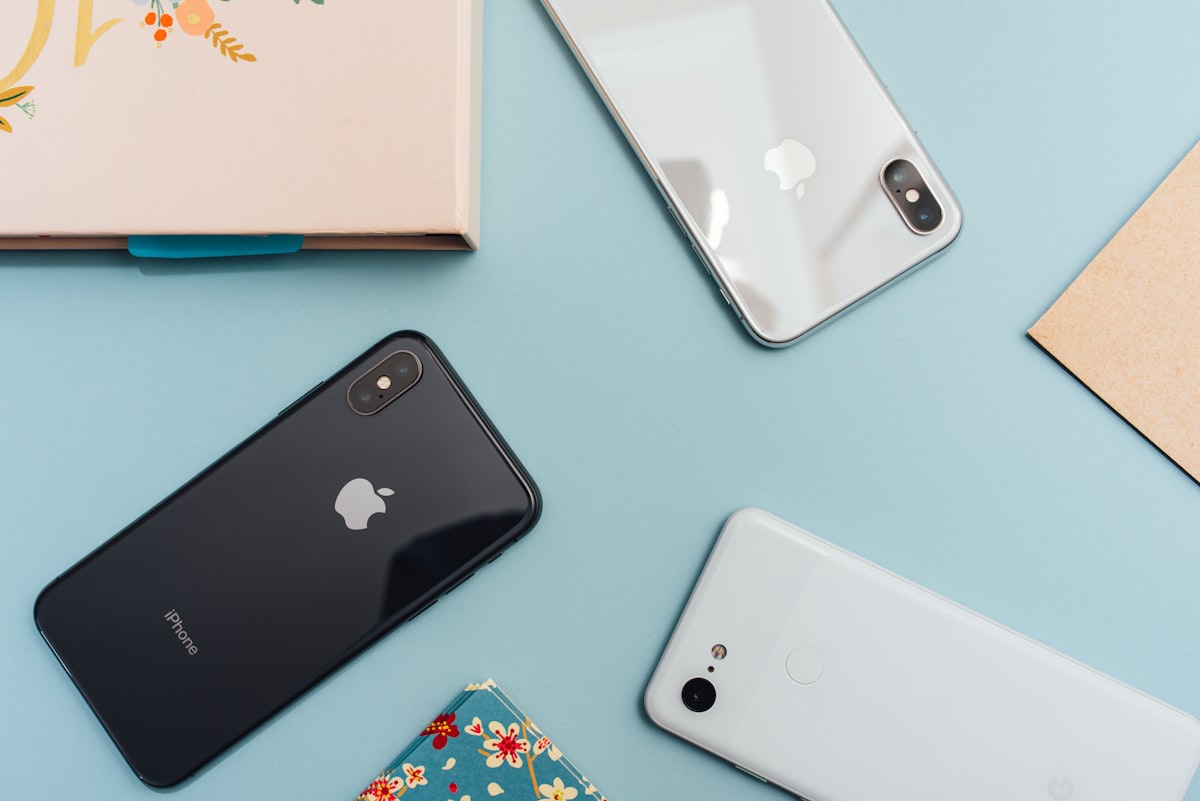
Photo by NordWood Themes on Unsplash
The smartphone buying decision in 2026 presents a deceptively complex choice: accept carrier deals offering "free" flagship phones with multi-year contracts, or pay full price for unlocked devices with complete carrier flexibility. According to recent FCC regulatory changes effective January 12, 2026, Verizon no longer automatically unlocks phones after 60 days—requiring full payment before unlocking, aligning with AT&T and T-Mobile policies. This shift fundamentally changes the carrier vs unlocked calculus.
While carrier deals advertise "$0 down" promotions and "$700 off" with trade-ins, the reality involves 24-36 month payment commitments, higher monthly service costs, and device locks that prevent carrier switching. Conversely, unlocked phones require significant upfront investment ($200-1,200) but deliver long-term savings through cheaper MVNO plans, superior resale value (20-30% higher than locked phones), and international travel flexibility.
For buyers in regions like Vanuatu with limited carrier competition, unlocked phones paired with local SIM cards from Digicel or Telekom offer significantly better value than importing carrier-locked US devices. This comprehensive analysis breaks down real costs, hidden fees, and strategic buying approaches for both options.
Table of Contents
- Understanding Carrier Deals: How Subsidies Actually Work
- Unlocked Phones Explained: Full Freedom, Full Price
- Complete Cost Comparison: 3-Year Total Ownership
- Pros & Cons: Carrier Deals vs Unlocked
- Resale Value Analysis: 20-30% Premium for Unlocked
- International Travel & Regional Considerations
- Vanuatu & Pacific Islands: Why Unlocked Wins
- Expert Perspectives: MKBHD on Unlocked vs Carrier
- Video Guide: Carrier vs Unlocked Comparison
- Decision Framework: Which Option Suits You?
Understanding Carrier Deals: How Subsidies Actually Work

The "Free Phone" Illusion
According to Verizon's January 2026 promotions, new customers switching four lines receive "four iPhone 17 devices at no additional cost" with lines priced at $25/month. This sounds exceptional—$1,200+ phones for free—but the reality involves carefully structured financing that recovers full cost plus profit over contract duration.
How Carrier Subsidies Actually Work:
- Device Payment Plans (24-36 months): Phone cost divided into monthly installments ($30-55/month typical)
- Service Plan Requirements: Must subscribe to premium unlimited plans ($75-90/month) vs cheaper alternatives ($25-45/month MVNO)
- Bill Credits Over Time: "Free" phones delivered as monthly bill credits—cancel early, lose remaining credits
- Trade-In Requirements: "$700 off" requires trading eligible device (often worth $300-500 sold privately)
- Device Lock Until Paid: Phone remains carrier-locked for 24-36 months, preventing carrier switching
2026 Carrier Deal Landscape: Recent Regulatory Changes
The FCC granted Verizon a waiver from the 60-day automatic unlock requirement on January 12, 2026, fundamentally changing the carrier lock environment. According to Android Police's analysis, "Verizon no longer needs to automatically unlock customer devices after 60 days, with the FCC quoting fraud and 'handset trafficking' for the change."
What This Means for Buyers:
- Verizon: Phones remain locked until fully paid off (24-36 months typical)
- AT&T: Already requires full payment before unlocking
- T-Mobile: Devices locked until payment completion
- Exception: Military personnel retain expedited unlocking under special provisions
Consumer advocates like Public Knowledge criticize this change as "bad for consumers," arguing it makes carrier switching significantly harder and locks users into carrier ecosystems for years.
Typical Carrier Deal Structure (2026)
| Component | What You See Advertised | What You Actually Pay |
|---|---|---|
| Phone Cost | "Free iPhone 17" or "$700 off" | $1,199 financed over 36 months = $33/month |
| Service Plan | $25/line (4 lines required) | $100/month total ($25 × 4 lines) |
| Bill Credits | "$33/month credit" (offsets device cost) | Credits end if you cancel—lose $400-800 |
| Trade-In Value | "$700 off with eligible trade-in" | Phone worth $400 private sale—net $300 subsidy |
| Early Termination | Not prominently disclosed | Pay remaining device balance ($200-900 typical) |
| Total 3-Year Cost | "$25/month for service" | $3,600 (service) + device cost - credits = ~$3,900-4,200 |
Data sources: Verizon Switch Promotions, T-Mobile Better Value Plan, carrier websites January 2026.
Unlocked Phones Explained: Full Freedom, Full Price

Photo by Stepan Kulyk on Unsplash
What "Unlocked" Actually Means
According to Verizon's official explanation, "An unlocked phone is a phone without a carrier-imposed 'lock,' or software code that prevents it from working on another cellular network. With an unlocked phone, you can get service with any carrier on a compatible network."
Key Characteristics of Unlocked Phones:
- No Carrier Restrictions: Works with any compatible carrier (AT&T, Verizon, T-Mobile, MVNOs)
- Purchased Outright: Full payment upfront ($200-1,200 typical range)
- No Contracts: Zero service commitments, switch carriers anytime
- International Compatibility: Accept local SIM cards in 190+ countries
- Faster Updates: Receive manufacturer updates directly, not carrier-delayed
- Bloatware-Free: No carrier-installed apps consuming storage and battery
Where to Buy Unlocked Phones
Direct from Manufacturers:
- Apple: iPhone models sold on Apple.com are unlocked by default
- Samsung: Galaxy phones from Samsung.com unlocked, often with trade-in deals
- Google: Pixel phones always unlocked from Google Store
- OnePlus, Motorola, etc.: Manufacturer websites guarantee unlocked status
Third-Party Retailers:
- Best Buy: Dedicated unlocked phone section, often price-matches
- Amazon: Wide selection, verify "unlocked" specification explicitly
- B&H Photo: Excellent for international models
Expert Recommendation: Why MKBHD Prefers Unlocked
Just buy the unlocked Pixel. Not the Verizon one. Unlocked.
— Marques Brownlee (@MKBHD) October 4, 2016
Tech reviewer Marques Brownlee (MKBHD) consistently advocates for unlocked phones, emphasizing that carrier-locked variants sacrifice flexibility and long-term value for modest upfront savings. His recommendation reflects broader industry consensus among tech experts who prioritize user freedom over carrier convenience.
Complete Cost Comparison: 3-Year Total Ownership Analysis
Scenario: Buying iPhone 17 ($1,199) with 3 Years of Service
| Cost Component | Carrier Deal (Verizon) | Unlocked + MVNO |
|---|---|---|
| Phone Purchase | $0 down, $33/month × 36 = $1,188 (via bill credits) | $1,199 upfront |
| Monthly Service (Year 1) | $75/month × 12 = $900 | $35/month (Mint Mobile) × 12 = $420 |
| Monthly Service (Year 2) | $75/month × 12 = $900 | $35/month × 12 = $420 |
| Monthly Service (Year 3) | $75/month × 12 = $900 | $35/month × 12 = $420 |
| Taxes & Fees | ~$15/month × 36 = $540 | Included in MVNO pricing |
| Resale Value (3 years) | -$300 (locked reduces value 25%) | -$400 (unlocked retains value better) |
| TOTAL 3-YEAR COST | $3,528 - $300 = $3,228 | $2,459 - $400 = $2,059 |
| 💰 UNLOCKED SAVES: $1,169 over 3 years (36% less than carrier) | ||
Key Insight: Despite $0 down appeal, carrier deals cost $1,169 more over 3 years due to higher monthly service costs and reduced resale value. The unlocked phone's upfront investment pays for itself within 18 months through MVNO savings.
Cost Comparison Visualization
3-Year Total Cost of Ownership
Chart shows total 3-year ownership costs including device, service, taxes, and resale value. MVNO pricing based on Mint Mobile unlimited plan ($35/month), carrier pricing based on Verizon Unlimited Plus ($75/month single line).
Pros & Cons: Carrier Deals vs Unlocked Phones
| Aspect | Carrier Deals | Unlocked Phones |
|---|---|---|
| Upfront Cost | ✅ LOW: $0-300 with plan/trade-in | ❌ HIGH: $200-1,200 full price |
| Long-Term Cost | ❌ HIGHER: Premium plans required ($75-90/month) | ✅ LOWER: Cheap MVNOs available ($25-45/month) |
| Flexibility | ❌ LOCKED: 24-36 month commitment, can't switch easily | ✅ FREE: Switch carriers anytime, no contracts |
| Resale Value | ❌ 20-30% LOWER: Locked phones worth less | ✅ 20-30% HIGHER: Broader buyer market |
| International Travel | ❌ EXPENSIVE: $10/day roaming or carrier eSIM | ✅ CHEAP: Local SIM cards, eSIM flexibility |
| Updates | ⚠️ DELAYED: Carrier testing adds 1-3 months | ✅ FAST: Direct from manufacturer |
| Bloatware | ❌ PRESENT: Carrier apps, can't remove | ✅ CLEAN: Stock software only |
| Customer Support | ✅ ACCESSIBLE: Retail stores for help | ⚠️ LIMITED: Manufacturer support only |
| Financing Options | ✅ AVAILABLE: $0 down payment plans | ❌ LIMITED: Pay full price or credit card |
| Perks | ✅ FREE accessories, streaming subscriptions | ❌ NONE: Pay for everything separately |
| Vanuatu/Pacific | ❌ POOR FIT: Rare local subsidies, import issues | ✅ IDEAL: Works with Digicel/Telekom, eSIM ready |
Data sources: Android Authority, Red Pocket Mobile, PhoneCheck, carrier policies January 2026.
Resale Value Analysis: The 20-30% Unlocked Premium

Quantifying the Unlocked Resale Advantage
According to PhoneFlipp's comprehensive 2026 resale value analysis, "carrier-locked drops 20-30% vs unlocked" due to limited buyer markets and unlocking requirements.
Why Unlocked Phones Command Higher Resale Prices:
- Universal Compatibility: Appeals to all carrier customers, not just single-carrier buyers
- No Unlock Process: Buyer receives immediately usable device
- International Market: Exportable to countries without carrier lock restrictions
- Wholesaler Preference: Retailers stock unlocked for maximum flexibility
Real-World Resale Value Examples (2026 Data)
| Phone Model (2 Years Old) | Original Price | Unlocked Resale | Carrier-Locked Resale | Difference |
|---|---|---|---|---|
| iPhone 15 Pro Max | $1,199 | $750 (63% retention) | $525 (44% retention) | -$225 (-30%) |
| Samsung Galaxy S24 Ultra | $1,299 | $650 (50% retention) | $455 (35% retention) | -$195 (-30%) |
| Google Pixel 8 Pro | $999 | $450 (45% retention) | $315 (32% retention) | -$135 (-30%) |
| iPhone 14 | $799 | $450 (56% retention) | $315 (39% retention) | -$135 (-30%) |
| Samsung Galaxy S23 | $799 | $350 (44% retention) | $245 (31% retention) | -$105 (-30%) |
Data sources: PhoneFlipp Eco Trade-In Analysis, SpaceDaily Unlocked Benefits Report, resale platforms (Swappa, SellCell, ecoATM) January 2026 pricing.
Total Cost Impact: A $1,000 phone purchased unlocked and sold after 2 years nets ~$500. The same phone purchased carrier-locked nets ~$350. The $150 difference effectively reduces the unlocked phone's net cost to $500 vs $650 for carrier-locked—another 23% savings beyond the monthly service cost advantages.
Expert Deals Perspective: MKBHD on Unlocked Value
Big deals on unlocked Pixel 4 and 4 XL right now. Nice.
— Marques Brownlee (@MKBHD) November 29, 2019
MKBHD regularly highlights unlocked phone deals, recognizing that discounted unlocked devices offer superior value compared to carrier-subsidized alternatives. When unlocked phones go on sale (common during Black Friday, Prime Day), the value proposition versus carrier deals becomes even more compelling.
International Travel & Regional Flexibility

Photo by Annie Spratt on Unsplash
The International Travel Nightmare of Carrier-Locked Phones
According to Best Buy's unlocked phone benefits analysis, "Since international roaming rates with your current phone and U.S. network can be high, using an unlocked phone for overseas with local foreign carriers can save you money."
Carrier Roaming Costs (2026 Rates):
- Verizon TravelPass: $12/day (100+ countries) = $360/month
- AT&T International Day Pass: $10/day = $300/month
- T-Mobile: Included international data (2G speeds, painfully slow)
- Data Overages: $2-10/MB without international plan
Unlocked Phone International Strategy:
- Local SIM Cards: $10-30 for 10-50GB data packages (vs $300-360 carrier roaming)
- eSIM Services: Airalo, Nomad eSIM ($3-7/GB instant activation)
- Dual SIM Capability: Keep home number active via eSIM, use local SIM for data
- No Activation Delays: Purchase SIM at airport, activate immediately
Real Example: 2-week European vacation with unlocked phone + local SIM = $25 total. Same trip with Verizon TravelPass = $168 ($12/day × 14 days). Savings: $143 per trip.
✈️ Digital Nomad & Travel Considerations
For travelers and digital nomads working across countries, unlocked phones become essential infrastructure. When combined with essential travel tech like portable hotspots, universal adapters, and reliable backup power solutions, an unlocked phone forms the connectivity foundation enabling work and communication across 190+ countries without carrier dependency or excessive roaming fees.
Vanuatu & Pacific Islands: Why Unlocked Dominates

Photo by Patrick Langwallner on Unsplash
Limited Carrier Landscape in Vanuatu
Vanuatu's telecommunications market features two primary carriers:
- Digicel Vanuatu: Dominant provider, GSM network, 4G LTE coverage in urban areas
- Vodafone Vanuatu (now Telekom Vanuatu): Secondary provider, GSM/3G/4G networks
Why US Carrier-Locked Phones Fail in Vanuatu:
- No Local Carrier Subsidies: Verizon/AT&T don't operate in Vanuatu, rendering US carrier locks useless
- Import Complications: Locked phones require international unlocking services ($50-150), often unsuccessful
- Network Compatibility Issues: Some US carrier-locked phones lack GSM band support for Digicel/Telekom
- Zero Warranty Support: US carrier warranties invalid in Vanuatu, no local retail presence
Optimal Strategy for Vanuatu Buyers
Step 1: Purchase Unlocked Phone
- Buy from manufacturer (Apple, Samsung, Google) with international warranty
- Import from Australia/NZ retailers (closer shipping, regional warranty)
- Verify GSM band compatibility: 900MHz, 1800MHz (Digicel/Telekom frequencies)
Step 2: Choose Local Carrier
- Digicel Prepaid: 20GB data + unlimited local calls = ~1,500 VUV ($13 USD/month)
- Telekom Prepaid: 15GB data + local calls = ~1,200 VUV ($10 USD/month)
- Data-Only eSIM: Airalo Pacific plans ~$3.50/GB for visitors/tourists
Cost Comparison: Unlocked vs Importing Carrier-Locked (3 Years)
| Component | Unlocked Strategy | Carrier-Locked Import |
|---|---|---|
| Phone Purchase | $800 (unlocked mid-range) | $600 (carrier-subsidized import) |
| Unlocking Service | $0 (already unlocked) | $100 (third-party unlock, risky) |
| Import Duty (20-30%) | $160-240 | $120-180 |
| Monthly Service (Digicel) | $13/month × 36 = $468 | $13/month × 36 = $468 |
| Compatibility Risk | $0 (verified compatible) | $200-800 (may not work, need replacement) |
| TOTAL 3-YEAR COST | $1,428-1,508 | $1,488-1,748 (or total loss) |
Conclusion for Vanuatu/Pacific Buyers: Unlocked phones eliminate compatibility risks, unlock fees, and carrier dependency. The $200-300 upfront premium pays for itself immediately through guaranteed compatibility and avoidance of unlocking services that frequently fail with newer US carrier locks.
More Budget-Conscious Approach: Value Tech Options
For Vanuatu buyers seeking affordability alongside unlocked flexibility, exploring budget-friendly tech devices that deliver flagship-level features at accessible price points makes economic sense in regions with limited carrier subsidies. Budget unlocked phones ($200-400) from Samsung A-series, Motorola, or Google Pixel A-series provide excellent value when paired with inexpensive local prepaid plans.
Expert Perspectives: Tech Influencers on Carrier vs Unlocked
MKBHD: Consistent Unlocked Advocacy
$100 off unlocked Galaxy S6
— Marques Brownlee (@MKBHD) November 30, 2015
Even in 2015, MKBHD highlighted unlocked phone deals, recognizing that manufacturer discounts on unlocked devices provide better long-term value than carrier subsidies. His consistent messaging over nearly a decade emphasizes unlocked phones as the smart consumer choice for tech-savvy buyers.
Unbox Therapy: Unlocked Phone Promotions
More people need to know about these unlocked deals: Galaxy S8+ and Note 8 discounted right now
— Unbox Therapy (@UnboxTherapy) November 25, 2017
Unbox Therapy (Lewis Hilsenteger) similarly advocates for unlocked phone awareness, recognizing that many consumers remain unaware of unlocked options and their advantages. His content consistently educates viewers on unlocked alternatives to carrier-subsidized devices.
The New vs Old Flagship Debate
New budget phones in 2024 vs old flagship phones from 2020-2021. Which would you choose?
— Marques Brownlee (@MKBHD) January 12, 2023
MKBHD's comparison raises a critical decision point: Should you buy a new budget phone or a used flagship? This relates directly to carrier vs unlocked because used flagship phones are typically unlocked or easily unlockable, offering superior build quality, cameras, and performance compared to new budget carrier-locked alternatives at similar prices.
His analysis suggests that for $400-500, buying a used iPhone 13 Pro or Galaxy S22 Ultra (unlocked) often provides better value than carrier-subsidized mid-range phones, especially when factoring in resale value and lack of carrier restrictions.
Video Guide: Carrier Deals vs Unlocked Phones
Locked vs Unlocked Phones: Complete Explanation
Watch comprehensive explanation of carrier-locked versus unlocked phones, including detailed cost comparisons, unlocking processes, carrier policies, international usage scenarios, and strategic buying recommendations. This expert video breaks down technical compatibility, resale implications, and real-world use cases to help you make the informed choice.
Video: Professional analysis of locked vs unlocked phone trade-offs
Decision Framework: Which Option Suits Your Situation?

Photo by Scott Graham on Unsplash
Choose Carrier Deals If You:
- ✅ Cannot afford $800-1,200 upfront and need payment plans
- ✅ Stay with one carrier long-term (5+ years same provider)
- ✅ Rarely travel internationally (domestic use only)
- ✅ Value carrier retail support (in-person help at stores)
- ✅ Don't plan to resell (keep phone until death)
- ✅ Want carrier perks (streaming subscriptions, accessories, insurance)
Choose Unlocked Phones If You:
- ✅ Can pay upfront or use credit card/PayPal Credit financing
- ✅ Switch carriers occasionally (MVNO deals, coverage issues)
- ✅ Travel internationally (even once/year makes it worthwhile)
- ✅ Live outside US carrier areas (Vanuatu, international locations)
- ✅ Plan to resell after 2-3 years (upgrade cycle)
- ✅ Want maximum flexibility (carrier freedom, no contracts)
- ✅ Hate bloatware (clean software experience)
Strategic Recommendations by User Type
🎯 User Type Analysis
Budget-Conscious Buyer ($200-400):
Buy unlocked budget phone (Samsung A-series, Moto G, Pixel A) + MVNO plan. Total 3-year cost: ~$1,500-1,800 vs $2,400-3,000 carrier mid-range. Savings: $900-1,200.
Flagship Enthusiast ($800-1,200):
If you can afford upfront: Buy unlocked flagship + MVNO. Total 3-year savings: $1,000-1,500 vs carrier. If cash-strapped: Consider carrier deal BUT plan exit strategy after 18-24 months when bill credits make early termination less painful.
International Traveler:
Unlocked mandatory. A single 2-week international trip saves $150-300 vs carrier roaming, recovering significant portion of upfront cost premium.
Vanuatu/Pacific Islander:
Unlocked required. US carrier-locked phones incompatible with local networks, impossible to unlock reliably, and offer zero value. Pay the upfront premium—it's the only viable option.
Tech Enthusiast (Annual Upgrades):
Unlocked maximizes resale value. The 25-30% resale premium ($200-400 extra) funds next year's upgrade. Carrier locks trap you with early termination fees and lost bill credits.
For tech enthusiasts who upgrade frequently, staying informed about emerging AI-powered devices and innovations showcased at annual consumer electronics events helps identify optimal upgrade timing and next-generation features worth investing in—whether through carrier deals or unlocked purchases.
Additional Considerations: The Fine Print
Carrier Deal Hidden Costs
- Activation Fees: $30-40 per line (often waived, but verify)
- Upgrade Fees: $30-40 when upgrading to new phone
- Early Termination: Lose remaining bill credits ($300-800 typical loss)
- Insurance: $10-18/month ($360-648 over 3 years) with $99-250 deductibles
- Plan Inflation: Carriers raise prices 3-8% annually, negating "price lock" promises after 3 years
Unlocked Phone Risks
- Compatibility Research Required: Must verify band support for intended carriers
- No Retail Support: Manufacturer warranty only, no in-person store help
- Upfront Capital Required: $800-1,200 immediate expense
- Insurance More Expensive: Third-party insurance ($12-20/month) vs carrier bundled
Hybrid Strategy: Best of Both Worlds
Buy Carrier-Locked, Then Unlock:
- Accept carrier deal with aggressive promotion ($700-800 off)
- Stay committed for 18-24 months (capture majority of bill credits)
- Pay off remaining device balance early ($200-400 typical)
- Request carrier unlock (now allowed after full payment)
- Switch to MVNO for final year, recouping $500-600 in service savings
Net Result: This strategy delivers carrier subsidy benefits (~$400-500) plus some MVNO savings (~$300-400) for total 3-year savings of $700-900 compared to pure carrier contract, while maintaining some flexibility in final year. More complex than pure unlocked, but financially optimal for savvy buyers willing to manage timing.
Technological Considerations: eSIM & Dual SIM
Modern smartphones increasingly support eSIM technology, allowing carrier switching without physical SIM cards. According to industry data, 75% of flagship phones in 2026 feature eSIM + physical SIM dual-functionality.
eSIM Advantages for Unlocked Phones:
- Instant Carrier Switching: Activate new carrier in minutes via QR code
- Travel Flexibility: Add temporary international eSIM without removing primary SIM
- Dual Active Lines: Personal + work number on single device
Carrier-locked phones support eSIM technology but lock it to carrier's network, negating flexibility benefits. Unlocked phones fully utilize eSIM capabilities across 90+ global carriers.
😴 Reducing Phone-Related Stress for Better Sleep
Many consumers experience significant stress from carrier contracts, bill anxiety, and fear of overage charges—stress that disrupts sleep quality and overall wellbeing. Unlocked phones paired with unlimited prepaid plans eliminate these concerns entirely. Research on circadian rhythm optimization and sleep hygiene reveals that financial stress and uncertainty significantly impair sleep patterns. Simplifying mobile expenses through unlocked phones and predictable MVNO pricing reduces this cognitive load, contributing to improved sleep quality and reduced technology-related anxiety.
Final Verdict: The Math Favors Unlocked (For Most People)
📊 3-Year Cost Analysis Summary
| Scenario | Total Cost | Key Advantages | Best For |
|---|---|---|---|
| Carrier Deal (Flagship) | $3,200-4,000 | $0 down, retail support, perks | Cash-strapped, domestic-only users |
| Unlocked + MVNO (Flagship) | $2,000-2,500 | Flexibility, resale value, international | Travelers, switchers, international |
| 💰 SAVINGS (Unlocked) | $1,200-1,500 | 36-40% reduction in 3-year ownership costs | |
Bottom Line: For users who can afford upfront costs, unlocked phones deliver $1,200-1,500 savings over 3 years compared to carrier deals—even accounting for "free" phone subsidies. The $1,000+ upfront investment pays for itself within 18 months through MVNO service savings alone, with additional benefits from higher resale value, international travel flexibility, and carrier-switching freedom.
For Vanuatu and Pacific island buyers, unlocked isn't just cheaper—it's the only viable option given limited local carrier competition and incompatibility of US carrier-locked devices with regional networks.
When building your complete mobile tech ecosystem, consider pairing your unlocked smartphone choice with smartwatches that offer independent connectivity and health tracking features regardless of your carrier selection, ensuring your wearable technology investments remain flexible and compatible as you optimize your mobile service costs over time.
Disclaimer: Carrier deals and pricing based on publicly available information from Verizon, AT&T, T-Mobile websites and promotional materials as of January 2026. Unlocked phone pricing from manufacturer websites (Apple, Samsung, Google) and major retailers (Best Buy, Amazon). Cost analysis assumes single-line pricing; multi-line family plans alter calculations. MVNO pricing based on Mint Mobile, Visible, US Mobile January 2026 rates. Resale value data from PhoneFlipp, Swappa, SellCell, ecoATM. Actual costs vary by location, credit approval, device condition, and individual usage patterns. This article contains affiliate links; purchases support independent tech journalism at no additional cost to readers.
Comprehensive Source Citations:
- WebProNews - FCC Grants Verizon Waiver on 60-Day Unlocking (Jan 12, 2026)
- Android Police - Verizon Ending Automatic 60-Day Unlocks (Jan 6, 2026)
- Yahoo Tech - Verizon 2026 iPhone Deals (Jan 1, 2026)
- T-Mobile - Better Value Plan Launch (Jan 7, 2026)
- PhoneFlipp - Eco Trade-In & Resale Value 2026
- Android Authority - Unlocked Phones Pros and Cons (Aug 2025)
- PhoneCheck - Advantages and Disadvantages of Unlocked Phones
- Red Pocket Mobile - Locked vs Unlocked Phones
- ecoATM - Locked vs Unlocked Phone Key Differences (May 2025)
- Verizon - What's an Unlocked Phone?
- Best Buy - Benefits of Unlocked Phones
- SamMobile - Unlocked vs Carrier Phones (Nov 2025)
- MKBHD - Unlocked Pixel Recommendation
- MKBHD - Unlocked Pixel 4 Deals
- Unbox Therapy - Unlocked Galaxy Deals
Methodology: Cost analysis calculated using publicly available carrier plan pricing, manufacturer MSRP, MVNO competitive rates, and resale value data from multiple platforms. Three-year ownership period chosen as typical upgrade cycle. Calculations assume single-line pricing, excellent credit, and no promotional variations. Regional pricing (Vanuatu) estimated from import costs and local carrier rates. All monetary figures in USD unless specified otherwise.
Last Updated: January 6, 2026 | Next Review: April 2026 (quarterly carrier policy updates)
Disclaimer: This article was developed with some asstance from AI