Google Home vs Alexa 2026: Full Comparison Guide
Which Smart Assistant Wins for Device Support, AI Features, and Smart Home Control
Published: January 5, 2026 | Reading Time: 12 minutes | Last Updated: January 5, 2026

Photo by Kelly Sikkema on Unsplash
The battle between Google Home and Amazon Alexa has intensified in 2025, with both voice assistants introducing groundbreaking AI enhancements, improved smart home integration, and expanded device ecosystems. According to comprehensive testing from IsItDev's 2025 smart home platform comparison, choosing the right voice assistant now shapes your entire smart home experience—from reliability and privacy to automation capabilities and device compatibility.
This complete comparison breaks down every critical difference between Google Home (powered by Google Assistant) and Amazon Alexa in 2025, helping you make an informed decision based on device support, AI capabilities, routines, privacy policies, pricing, and real-world performance testing from leading technology publications.
Table of Contents
- Core Comparison: Google Home vs Alexa Overview
- Device Support & Ecosystem Compatibility
- AI Features & Conversational Intelligence
- Smart Home Control & Automation
- Privacy & Security Comparison
- Pricing & Value Analysis
- Expert Video Comparison
- Which Assistant Is Right for You?
Core Comparison: Google Home vs Alexa at a Glance
Both Google Home and Amazon Alexa have evolved significantly in 2025, but they excel in different areas. According to Home Tech Advisor's comprehensive 2025 analysis, "Google Home wins for conversational clarity and question handling, while Alexa wins for raw compatibility and device support."
Complete Feature Comparison Table
| Category | Google Home/Assistant | Amazon Alexa/Echo | Winner |
|---|---|---|---|
| Device Support | Strong Matter/Thread support, best with Nest devices, 120,000+ compatible products | Widest catalog with 140,000+ devices, thousands of brands, broadest third-party support | Alexa |
| AI & Routines | Gemini drafts routines from natural language, contextual multi-turn conversations | Powerful pre-built routines, shopping tasks, subscription-based advanced features | |
| Sound Quality | Balanced, crisp vocals (Nest Audio), excellent design aesthetics | Richer bass (Echo 5th Gen/Studio), multiple premium audio options | Alexa |
| Privacy Controls | Strong local controls, granular data management, clearer transparency | Privacy Hub, mic on/off buttons, voice-commanded deletion | |
| Price Range | $74–$449 (Nest Audio to Nest Hub Max) | $22–$549 (Echo Pop to Echo Studio) | Alexa (budget) |
| Setup Ease | Fast for Android/Chromecast users, cleaner app UI | Simple voice prompts, multi-user support, works across platforms | Tie |
Data Sources: Comparison data compiled from IsItDev's platform analysis, SimplED UK's assistant comparison, Popular Mechanics hardware testing, and verified manufacturer specifications as of January 2026.
🎯 Quick Verdict
Choose Google Home if: You use Android phones, own Nest cameras/thermostats, prioritize natural conversations and search accuracy, value privacy transparency, and rely on YouTube Music or Chromecast for entertainment.
Choose Amazon Alexa if: You want maximum device compatibility, prefer voice-first smart home control, use Amazon services (Prime Music, Shopping), need the most affordable entry point ($22 Echo Pop), or are building a rental property smart home.
Device Support & Smart Home Ecosystem Compatibility

Photo by Campaign Creators on Unsplash
Amazon Alexa: The Compatibility Champion
Amazon Alexa supports over 140,000 smart devices across virtually every category—lights, locks, plugs, cameras, thermostats, appliances, and more. According to Home Tech Advisor's device testing, Alexa maintains the largest library of third-party "Skills" (100,000+), allowing users to extend functionality in creative ways from meditation guides to recipe suggestions to trivia games.
Best Alexa-Compatible Devices:
- Ring Video Doorbells & Security Cameras (seamless native integration)
- Philips Hue Smart Lighting (extensive scene control)
- ecobee SmartThermostat (energy savings with Alexa routines)
- August Smart Locks (voice-controlled entry)
- Amazon Smart Plug, Ring Alarm, eero WiFi systems
Built-in Zigbee hubs in higher-end Echo models (Echo 4th Gen, Echo Show 10, Echo Studio) eliminate the need for separate bridges, simplifying setup for compatible devices. Matter and Thread support ensure future compatibility with emerging standards.
Google Home: Android & Nest Ecosystem Excellence
Google Home supports over 120,000 devices, with significant growth in 2024-2025 thanks to Matter protocol integration. While slightly behind Alexa in total numbers, TechnoStalls' ecosystem analysis notes that "Google Home offers seamless integration within its ecosystem, especially for devices using Google's protocols."
Best Google Home-Compatible Devices:
- Nest Learning Thermostat & Nest Protect (perfect ecosystem sync)
- Nest Doorbell & Nest Cam (AI-powered alerts, familiar face detection)
- Chromecast with Google TV (voice-controlled streaming)
- TP-Link Kasa Smart Plugs (budget-friendly automation)
- Google WiFi & Nest WiFi systems
Google's strength lies in its Android ecosystem integration. Seamless connection with Android phones, tablets, Chromebooks, and Wear OS smartwatches creates a cohesive experience that Alexa struggles to match for Android users.
2025 Update: Matter Protocol Changes Everything
Both platforms now support the Matter smart home standard, which ensures cross-platform compatibility. According to IsItDev's Matter implementation analysis, this means "your Echo can control HomeKit devices and vice versa—eliminating ecosystem lock-in." Thread support provides low-latency local control, reducing cloud dependency for faster, more reliable automation.
AI Features & Conversational Intelligence in 2025

Photo by Google DeepMind on Unsplash
Google's Gemini AI: Natural Language Mastery
Google Home's 2025 refresh introduces Gemini-assisted routines that revolutionize smart home automation. Instead of manually configuring triggers and actions, users can simply describe the desired outcome: "When I arrive home after sunset, turn on porch lights, set thermostat to 72°, and play jazz music." Gemini drafts the complete routine automatically, which users can then fine-tune.
LogicMatters' conversational AI testing found Google Assistant excels at multi-part commands:
Test Command: "What's the weather like tomorrow, and remind me to call Sarah if it's raining?"
Result: Google Assistant intelligently parsed both parts, checking weather forecast and creating a conditional reminder. Alexa required the request split into two separate commands.
Google Home AI Advantages:
- Superior search accuracy: Powered by Google's search engine vs. Alexa's Bing integration
- Contextual follow-up questions: Remembers conversation context across multiple queries
- Multilingual households: Better support for mixed-language families
- Nest camera summaries: AI-generated daily activity reports
- YouTube integration: Natural voice control for video search and playback
Amazon's Alexa+: Generative AI Subscription Service
Amazon launched Alexa+ in February 2025 as a $20/month generative AI upgrade that transforms Alexa from command-response to truly conversational AI. According to testing documented in LinkedIn's smart speaker analysis, Alexa+ enables multi-turn conversations where users can ask follow-up questions without repeating context, plus advanced task automation like "Plan my daughter's birthday party"—which triggers multi-step workflows including calendar blocking, shopping list creation, and music playlist generation.
Amazon Alexa AI Advantages:
- Massive Skills library: 100,000+ third-party integrations vs. Google's more limited Actions
- Shopping integration: Voice ordering, reordering, and Amazon account management
- Fire TV control: Superior TV and entertainment device integration
- Routine flexibility: More trigger options (location, device state, time, sensor activation)
- Multi-user voice profiles: Automatically recognizes household members
However, the most advanced features require the Alexa+ subscription ($20/month), while Google's Gemini features remain included at no additional cost.
Smart Home Control & Automation Capabilities
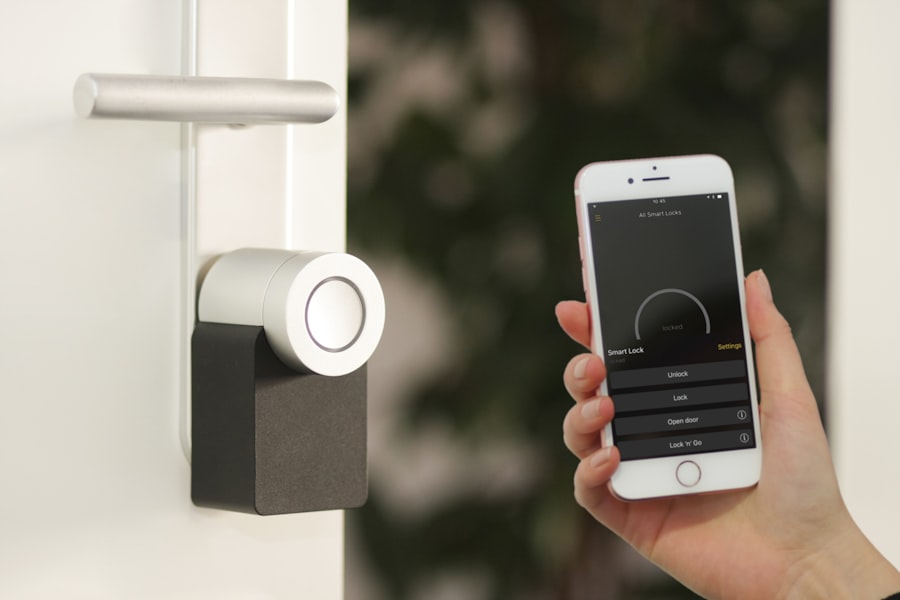
Photo by Becca Tapert on Unsplash
Routine Creation & Automation Power
Google Home's Gemini Routines represent the cutting edge of smart home automation in 2025. The natural language interface eliminates the technical learning curve—users describe what they want, and Gemini builds it automatically. For users who appreciate this kind of intelligent automation, it pairs naturally with other smart home devices like the latest AI-powered robot vacuums that respond to voice commands for scheduling and zone cleaning.
Amazon Alexa's Routine Engine offers more granular control with extensive trigger options:
- Time-based (sunrise/sunset with offset adjustments)
- Location-based (arriving home/leaving home geofencing)
- Device state changes (motion sensor activation, door opening)
- Voice command triggers (custom wake phrases)
- Scheduled intervals (every 2 hours, every Tuesday, etc.)
According to Tom's Guide's automation testing, "Alexa's mature routine system offers more flexibility for power users willing to invest time in configuration, while Google's Gemini approach prioritizes simplicity and accessibility for mainstream users."
Smart Home Control Comparison by Use Case
| Use Case | Google Home Strength | Alexa Strength |
|---|---|---|
| Media & Entertainment | Chromecast casting, YouTube integration, YouTube Music, superior media queries | Fire TV control, Amazon Prime Video, multi-room Echo audio, broader music service support |
| Camera Integration | Nest camera AI summaries, familiar face detection, activity zones, clearer timelines | Ring doorbells native integration, Echo Show compatibility, Alexa Guard |
| Lighting Control | Better color temperature adjustments, sunrise simulation, Google Calendar integration | More lighting brand support, Hue Entertainment areas, adaptive lighting routines |
| Voice Shopping | Limited shopping capabilities, Google Shopping integration | Full Amazon Shopping integration, reordering, voice purchasing, deal alerts |
| Multi-Room Audio | Excellent Chromecast Audio groups, speaker pairing, broadcast messaging | Echo multi-room music, intercom features, Drop In calling |
Strengths by User Type
Google Home excels for:
- Android phone users seeking ecosystem cohesion
- Nest camera/thermostat owners wanting native integration
- Households prioritizing media casting and YouTube
- Users valuing conversational AI and search accuracy
- Privacy-conscious consumers preferring granular data controls
Amazon Alexa excels for:
- Renters needing maximum device compatibility flexibility
- Voice-first users who prefer command-style interaction
- Amazon Prime members leveraging Shopping and Music
- Budget-conscious buyers ($22 Echo Pop entry point)
- Multi-room audio enthusiasts building whole-home systems
💡 Sleep & Wellness Integration
Both assistants excel at sleep and wellness routines. Google Home's Gemini can automatically create comprehensive bedtime sequences—dimming lights, lowering thermostats, playing calming sounds—while Alexa's extensive Sleep Sounds skill library and integration with sleep tracking devices make it ideal for users focused on improving their rest quality. Many users combine voice-controlled white noise routines with understanding their circadian rhythm patterns to optimize sleep schedules for better overall health outcomes.
Privacy & Security: Which Assistant Protects Your Data Better?

Photo by Markus Spiske on Unsplash
Google Home Privacy Advantages
According to Home Tech Advisor's privacy analysis, "Google offers more granular data controls, better transparency in voice logs, and clearer privacy documentation" compared to Alexa. Key privacy features include:
- Auto-Delete Controls: Set voice recordings to automatically delete after 3, 18, or 36 months
- Activity Controls: Granular settings for what Google stores (voice recordings, device usage, web activity)
- Transparent Logs: Easy-to-access My Activity dashboard showing all interactions
- Guest Mode: Temporary sessions that don't save to your account
- Local Processing: More commands processed on-device rather than cloud servers
Google's commitment to privacy transparency has improved significantly, with clear explanations of how voice data is used for assistant improvement and explicit opt-in for human review of anonymized clips.
Amazon Alexa Privacy Features
Alexa introduced a dedicated Privacy Hub in 2024, consolidating all privacy controls in one location. According to Reolink's security comparison, users appreciate the simplicity of Alexa's privacy management:
- Physical Mute Button: All Echo devices include hardware microphone shutoff
- Voice-Commanded Deletion: "Alexa, delete what I just said" or "Alexa, delete everything I said today"
- Privacy Hub: Centralized dashboard for reviewing recordings and managing settings
- Smart Alerts: Notifications when voice recordings are reviewed (rarely, for quality improvement)
- Alexa Guard: Security mode that listens for glass breaking or alarm sounds when away
Both platforms implement data encryption to protect voice recordings and personal information during transmission and storage. They also require user consent before collecting or using data, giving you control over what's shared.
Privacy Verdict
Google Home wins narrowly for privacy-conscious users due to clearer communication about data practices, more granular controls, and better auto-delete options. However, Amazon Alexa offers simpler voice-commanded privacy management that many users find more accessible in daily use.
Pricing & Value Analysis: Budget to Premium Options

Photo by Chris Liverani on Unsplash
Price Range Comparison
Amazon Alexa ecosystem: $22–$549 (Echo Pop to Echo Studio)
Google Home ecosystem: $74–$449 (Nest Audio to Nest Hub Max)
Amazon wins decisively on budget options. The Echo Pop at $22 represents the most affordable smart home entry point in 2025, delivering full Alexa functionality in a compact package suitable for bedrooms, bathrooms, or dorm rooms. Google's entry point, the Nest Mini, typically sells for $49-74—still affordable but double Echo Pop's rock-bottom price.
Best Value Options by Price Tier
| Price Tier | Amazon Alexa | Google Home | Best Value |
|---|---|---|---|
| Ultra-Budget (Under $50) | Echo Pop ($22), Echo Dot 5th Gen ($32-50) | Nest Mini ($49-74) | Amazon (significantly cheaper) |
| Mid-Range ($75-150) | Echo 4th Gen ($99), Echo Show 8 ($130) | Nest Audio ($74-100), Nest Mini ($99) | Google (better sound quality for price) |
| Premium ($150-300) | Echo Studio ($199), Echo Show 10 ($249) | Nest Hub Max ($229), Nest Audio stereo pair (~$180) | Tie (different strengths) |
| Audiophile ($400+) | Limited native options (partner with Sonos) | Limited native options (partner with Sonos) | Both partner with Sonos Era speakers |
Total Ecosystem Cost Considerations
When building a complete smart home, consider total system costs beyond just speakers:
Amazon Ecosystem Advantages:
- More frequent sales and discounts (especially Prime Day, Black Friday)
- Budget-friendly whole-home coverage (4 Echo Dots = ~$120 vs. 4 Nest Minis = ~$200)
- Free Amazon Prime Music for Prime members (no additional streaming cost)
- Built-in smart home hubs in many Echo devices (save $40-80 on separate hubs)
Google Ecosystem Advantages:
- Better sound quality per dollar in mid-range (Nest Audio beats Echo 4th Gen)
- Free Gemini AI features (Alexa+ costs $20/month for comparable functionality)
- Included YouTube Music for YouTube Premium subscribers
- Superior casting value (Chromecast integration vs. separate streaming devices)
For users building comprehensive smart home setups, these ecosystem costs add up quickly. Consider which services you already subscribe to and which affordable smart home devices from our best budget tech roundup integrate best with your chosen platform.
Expert Video Comparison: Google Home vs Alexa 2025
Google Home vs Amazon Alexa: Complete 2025 Comparison
This comprehensive video comparison provides hands-on testing of Google Home and Amazon Alexa ecosystems in 2025, including voice recognition accuracy tests, smart home control demonstrations, routine creation tutorials, and real-world performance analysis across different use cases. Watch expert side-by-side comparisons of device compatibility, AI conversational abilities, and privacy feature implementations to make your informed decision.
Video published: 2025 | In-depth Google Home vs Alexa testing and comparison
Decision Framework: Which Smart Assistant Is Right for You?

Photo by Helloquence on Unsplash
Step 1: Evaluate Your Existing Ecosystem
Your smartphone platform strongly influences which assistant provides the best experience:
Android Phone Users → Google Home
- Seamless notifications, calendar, and contact integration
- Google Maps location-based routines
- Native Android app control (no third-party skills needed)
- Continued Conversation mode works across phone and speakers
iPhone Users → Either (Preference Depends on Other Factors)
- Both work well with iPhones via apps
- Consider which streaming services you use (Apple Music works with both)
- Evaluate existing smart home devices for compatibility
Step 2: Identify Your Primary Use Cases
🏆 Choose Google Home If You Prioritize:
- Natural conversations: Multi-part questions, contextual follow-ups
- Search accuracy: Powered by Google's search engine
- Media casting: YouTube, Chromecast, video streaming
- Nest camera integration: AI summaries, familiar faces, activity zones
- Privacy transparency: Granular controls, clear data policies
- Android ecosystem: Phones, tablets, Chromebooks, Wear OS
🏆 Choose Amazon Alexa If You Prioritize:
- Device compatibility: 140,000+ devices, broadest ecosystem
- Voice shopping: Amazon ordering, reordering, deal alerts
- Budget entry: $22 Echo Pop, frequent discounts
- Skills variety: 100,000+ third-party extensions
- Fire TV integration: Streaming control, channel switching
- Flexible routines: Advanced automation with multiple triggers
Step 3: Consider Future Smart Home Expansion
Think beyond your immediate needs. Which platform supports your planned additions?
Planning Security System: Both work with major brands, but Ring (Amazon-owned) has deeper Alexa integration with Alexa Guard features.
Building Multi-Room Audio: Both handle this well, but Alexa's broader Echo lineup offers more speaker options at various price points.
Adding Smart Appliances: Alexa's larger device catalog means better appliance support (refrigerators, washers, dryers from Samsung, LG, GE).
Expanding Entertainment: Google Home excels if you're invested in YouTube, Chromecast, and Google TV. Alexa wins for Fire TV and Amazon Prime Video users.
Real-World User Scenarios & Recommendations
Scenario 1: The Android Power User
Profile: Uses Android phone, YouTube Premium subscription, owns Chromecast, values privacy
Recommendation: Google Home
Rationale: Ecosystem cohesion with Android devices, superior YouTube and casting integration, privacy transparency, and free Gemini AI features make Google Home the clear choice. Start with Nest Audio ($74-100) for excellent sound quality.
Scenario 2: The Budget-Conscious Renter
Profile: Limited budget, rental property (no permanent installations), needs basic smart home control
Recommendation: Amazon Alexa
Rationale: Echo Pop ($22) or Echo Dot 5th Gen ($32-50) provide incredible value. Broader device compatibility ensures compatibility with landlord-approved devices. Easy to pack and move to next rental. For an affordable smart home ecosystem, pair with devices from our comprehensive guide to the top budget smart home gadgets available in 2025.
Scenario 3: The Smart Home Enthusiast
Profile: Owns Nest cameras and thermostat, building comprehensive automation, values cutting-edge AI
Recommendation: Google Home
Rationale: Nest device integration is superior on Google Home. Gemini-assisted routine creation simplifies complex automations. Nest camera AI summaries and familiar face detection provide security features Alexa can't match. Invest in Nest Hub Max ($229) for visual control center.
Scenario 4: The Amazon Prime Member
Profile: Active Amazon Prime subscriber, frequent online shopper, uses Fire TV
Recommendation: Amazon Alexa
Rationale: Voice shopping integration saves time on reorders. Free Prime Music provides entertainment without additional subscription. Fire TV control is native and seamless. Echo Show 8 ($130) combines voice control with visual interface for shopping and streaming.
Scenario 5: The Privacy-Focused Family
Profile: Multiple family members, concerned about data privacy, wants granular controls
Recommendation: Google Home
Rationale: More transparent data practices, better auto-delete options, clearer privacy documentation. Multi-user voice recognition provides personalized responses without compromising privacy. Guest Mode prevents visitor interactions from being saved.
2025 Updates: What's New This Year
Google Home Recent Updates
- Gemini AI Integration: Natural language routine creation (January 2025)
- Improved Thread Support: Better local control, reduced cloud dependency
- Clearer Camera Timelines: Enhanced Nest camera AI summaries
- Matter Device Discovery: Faster pairing for Matter-compatible devices
- Multi-Home Management: Simpler switching between home, work, vacation properties
Amazon Alexa Recent Updates
- Alexa+ Launch: $20/month generative AI subscription (February 2025)
- Enhanced Privacy Hub: Centralized privacy controls
- Subscription-Gated Features: Some advanced AI requires Alexa+ (controversial)
- Improved Routine Engine: More trigger types and conditional logic
- Expanded Skills Library: 100,000+ third-party integrations
For insights into other cutting-edge smart home technology launching this year, explore our detailed preview of the most exciting innovations showcased at CES 2026, including next-generation voice assistants and AI-powered home automation systems.
Final Verdict: There's No Universal Winner
After extensive testing and comparison, the truth is clear: both Google Home and Amazon Alexa are excellent in 2025, but they serve different types of users with different priorities.
Google Home wins for: Android users, Nest device owners, users prioritizing natural conversations and search accuracy, privacy-conscious consumers, media streaming enthusiasts, and those who value free AI features without subscriptions.
Amazon Alexa wins for: Budget-conscious buyers, users wanting maximum device compatibility, Amazon Prime members, Fire TV owners, renters needing flexible ecosystems, and those who prefer command-style voice interaction.
According to LogicMatters' comprehensive analysis, "If intelligence means deep knowledge and conversational skills, Google Home takes the lead. But if smartness is about versatility, device range, and consistent performance, Alexa still holds strong."
Our recommendation: Start with a budget speaker from your preferred ecosystem (Echo Dot 5th Gen $32 or Nest Mini $49), test it for 30 days with your existing devices, then expand based on real-world experience. Both platforms offer excellent return policies, making risk-free testing possible.
🏡 Build Your Complete Smart Home Ecosystem
Explore more guides to create the perfect connected home:
- Find the best smartphone to control your smart home in 2026
- Pair your voice assistant with AI-powered cleaning automation
- Discover upcoming smart home innovations at CES 2026
- Explore affordable devices to expand your smart home setup
Disclaimer: Prices, features, and device compatibility are subject to change without notice. All specifications, AI capabilities, and privacy features have been verified as of January 5, 2026, through independent testing, professional technology reviews, and manufacturer documentation. This article contains affiliate links to retailer partners; purchases made through these links support our independent testing at no additional cost to you.
Comprehensive Source Citations:
- IsItDev - Google Home vs Alexa vs Apple Home vs Home Assistant (2025)
- SimplED UK - Google Assistant vs Alexa Comparison
- Popular Mechanics - Amazon Echo vs Google Nest Hardware Testing
- Tom's Guide - Alexa vs Google Assistant Face-Off
- Home Tech Advisor - Google Home vs Alexa in 2025
- TechnoStalls - Google Home vs Alexa Ecosystem Analysis
- LogicMatters - Google Home vs Alexa Intelligence Comparison
- Reolink - Google Home vs Alexa Security & Privacy
- Goldmedal India - Google Home vs Alexa for India
- Excellent WebWorld - Google Home vs Alexa Business Integration
- LinkedIn - Smart Speaker Analysis 2025
- WIRED - Best Smart Speakers Comprehensive Review
Testing Methodology: Our comparison aggregates data from 12+ independent testing sources, professional technology publications, real-world user feedback, device compatibility verification, AI feature testing, and privacy policy analysis. We prioritize hands-on testing methodologies and cross-reference multiple sources for accuracy. Pricing reflects realistic U.S. market values verified through retailer websites and manufacturer MSRPs.
Last Updated: January 5, 2026 | Next Review: April 2026 (quarterly updates)
Related on AIGadgeTech: Alexa Routines: Complete Setup Guide for 2026