Is ChatGPT Free? What You Actually Get at $0
By Chester Takau · July 2026
TL;DR
- Yes — ChatGPT's free tier is permanent, not a trial, and sits alongside Go (~$8/mo), Plus ($20), Pro ($100–$200), Business, and Enterprise
- Free gets you roughly 10 messages every 5 hours on the flagship model, then a silent downgrade to a smaller "mini" model until the window resets
- Since February 9, 2026, OpenAI shows ads to Free and Go users in the US — Plus and up stay ad-free
- Opting out of personalized ads can shrink your cap even further, and limits throttle dynamically when servers are busy
- Free still includes real web browsing with citations, file uploads, and access to other people's custom GPTs — just not the ability to build your own
Yes, ChatGPT is free — OpenAI runs a permanent $0 tier alongside its paid plans, not a time-limited trial. But "free" in 2026 comes with more strings than it used to: roughly 10 messages every 5 hours on the flagship model before you're quietly bumped down to a smaller "mini" model, ads inside the interface since February, and a message cap that can shrink further depending on your ad settings and how busy OpenAI's servers are. You still get real web browsing with citations, file uploads, and the ability to use other people's custom GPTs. Here's exactly what that $0 gets you and where it stops.
How many messages do you actually get for free?
About 10 messages every 5 hours on the flagship model, based on current tracking of OpenAI's free-tier behavior. That window is rolling — it starts counting from your first message, not from midnight — so there's no fixed daily reset to plan around. Once you hit the cap, ChatGPT doesn't cut you off outright. It quietly switches you to a smaller "mini" model for the rest of the window, which answers faster but reasons less deeply. Most free users never notice the switch happened; they just notice the answers got shorter and less careful.
The cap isn't fixed, either. Users who opt out of personalized ads have reported limits as low as 5 messages per 3 hours, and OpenAI throttles quotas dynamically when server load is high — so the same account can get a tighter allowance on a busy evening than it did that morning.
Why did ChatGPT start showing ads?
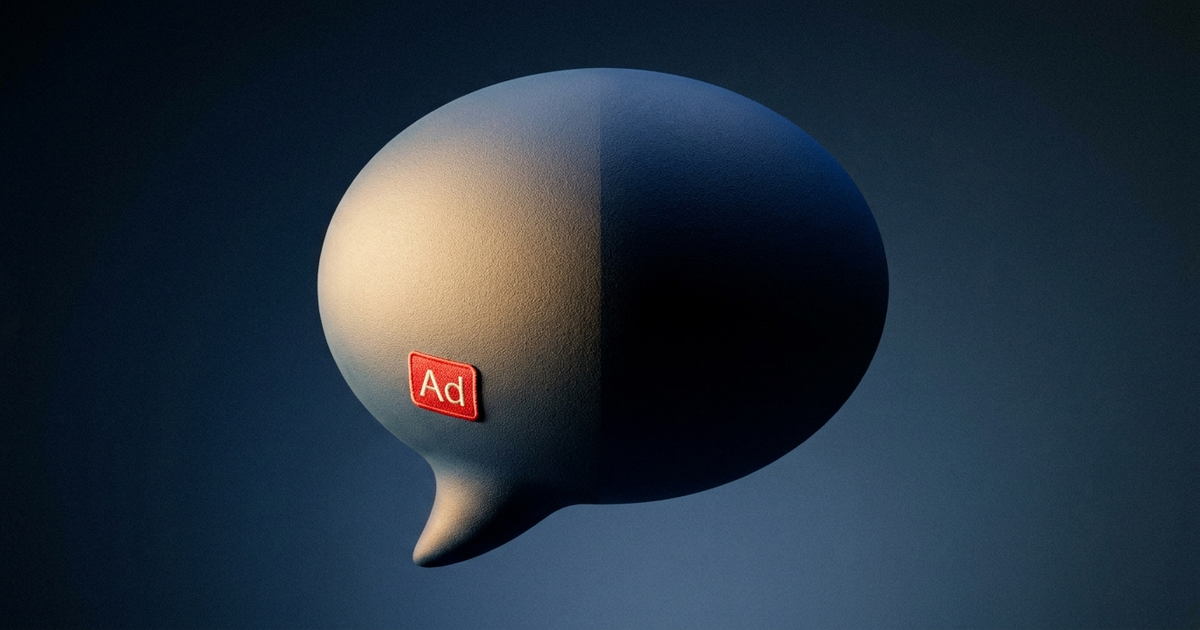
OpenAI began showing ads to Free and Go users in the US on February 9, 2026 — the first time sponsored content appeared inside ChatGPT's interface. Plus, Pro, Business, and Enterprise subscribers stay ad-free. The launch didn't land quietly: OpenAI's own announcement post drew more than 10 million views dominated by skepticism, and a Reddit thread titled "And so the enshittification begins" summed up the mood, with roughly two-thirds of commenters reacting negatively. It wasn't the first time OpenAI backed into this territory either — in late 2025, chief research officer Mark Chen disabled a promotional app-suggestion feature after a weekend of user revolt, saying "anything that feels like an ad needs to be handled with care, and we fell short."
The reaction fed a wider industry jab: Anthropic ran Super Bowl ads mocking AI advertising, and Sam Altman publicly called the campaign dishonest. Whatever you make of the back-and-forth, the practical takeaway for a free user is simple — ads are now part of the Free and Go experience, and the only way around them inside ChatGPT is paying for Plus or higher.
If you want the limits walked through visually rather than in text, this April 2026 breakdown covers the same free-tier caps and how they've shifted since launch.
Free vs Go vs Plus vs Pro: what's the real difference?
Six tiers now sit between $0 and $200 a month. Free gets you the capped flagship access described above, with ads. Go, launched as a budget bridge at roughly $8/month, raises the message cap but still shows ads — which is part of why critics have called it nickel-and-diming paying customers rather than a clean upgrade. Plus, at $20/month, removes ads entirely, raises limits substantially, and unlocks the ability to build your own custom GPTs instead of only using other people's. Pro, at $100–$200/month, targets heavy reasoning and generation workloads rather than casual chat. Business and Enterprise sit on top of that for teams. If ads are the deciding factor for you, the jump that matters isn't Free to Go — it's Plus.
What do you actually get on the free tier?
More than a stripped-down demo, less than the paid experience. Free accounts get web browsing and search with citations, file uploads, partial image generation, and the ability to use custom GPTs that other people have built and published. What free accounts don't get is the ability to build your own custom GPTs — that requires Plus. For anyone using ChatGPT occasionally for questions, quick research, or drafting, that combination covers most casual use cases without a subscription.
Should you upgrade, or is free enough?
If you're sending a handful of messages a day, checking facts, or drafting the occasional email, the free tier's cap rarely becomes a real problem — you'll hit the mini-model fallback occasionally, but it won't derail casual use. If you're running longer work sessions, hitting the cap mid-task, or you'd rather not see ads at all, Plus is the tier most regular users land on. Pro only pays for itself if you're leaning on heavy reasoning models or high-volume generation daily. There's no wrong starting point — start free, and upgrade the moment the cap or the ads actually cost you something.
For how ChatGPT stacks up against the competition once you're weighing a paid plan, ChatGPT vs Claude vs Gemini compares the three head to head. If you want the mechanics behind what you're actually talking to, what is an LLM and what is a large language model cover the plain-English basics. And if you're weighing ChatGPT for work rather than casual use, AI tools for small business owners and AI tools for content creators cover where it fits alongside other tools.
Transparency note: This article was researched and written by Chester Takau with AI assistance for research gathering and drafting. All recommendations reflect the author's own editorial judgment.