The cruise industry is experiencing a technological renaissance that's transforming every aspect of the passenger experience. From AI-powered personalization engines to Starlink-enabled high-speed internet at sea, cruise travel tech is no longer just about convenience—it's becoming the core infrastructure that defines modern maritime vacations. As we navigate through 2026, cruise lines are investing billions in smart systems, wearables, and autonomous technologies that promise to make your next ocean voyage feel more like stepping into the future than boarding a ship.

The AI Revolution Transforming Cruise Experiences
Artificial intelligence has quietly become the operating system powering modern cruise ships. From the moment you start browsing cruise options online to the final day of your voyage, AI systems are working behind the scenes to personalize, optimize, and enhance your experience in ways that would have seemed like science fiction just a few years ago.
Global Cruise Tech Market Growth
Pre-Trip AI: Your Digital Cruise Concierge
Before you even step aboard, conversational AI agents are revolutionizing the booking experience. These sophisticated systems ask about your preferred destinations, trip duration, cabin preferences, and dining requirements, then generate personalized itineraries from live inventory in real-time. Unlike traditional booking forms, these AI assistants can understand natural language, handle complex requests, and even pass high-intent leads to human agents with complete transcripts and preference data for seamless upselling opportunities.
Fred. Olsen Cruise Lines made headlines in early 2026 with their world-first hybrid AI campaign that blends artificial intelligence with human creativity for highly targeted promotional content. This approach has set a new standard for digital marketing in the cruise industry, demonstrating how AI can enhance rather than replace human expertise in creating compelling travel experiences.

Onboard Personalization Engines
Once aboard, AI systems combine structured data (booking history, cabin type, package purchases) with unstructured data (app usage patterns, location tracking, real-time purchases) to create comprehensive guest profiles that power hyper-personalized experiences. These models forecast your spending patterns and preferences, pushing customized offers for dining reservations, spa treatments, shore excursions, and entertainment options at precisely the right moments.
The technology goes beyond simple recommendations. AI-driven chatbots integrated into ship apps and in-cabin screens provide 24/7 assistance, answering questions about everything from restaurant wait times to navigation through the ship's various decks and amenities. MSC Cruises' voice assistant "Zoe" exemplifies this trend, offering guests a hands-free way to control cabin features, make reservations, and get information—all while learning from each interaction to provide better service.
Smart Wearables: Your Digital Key to the Ship
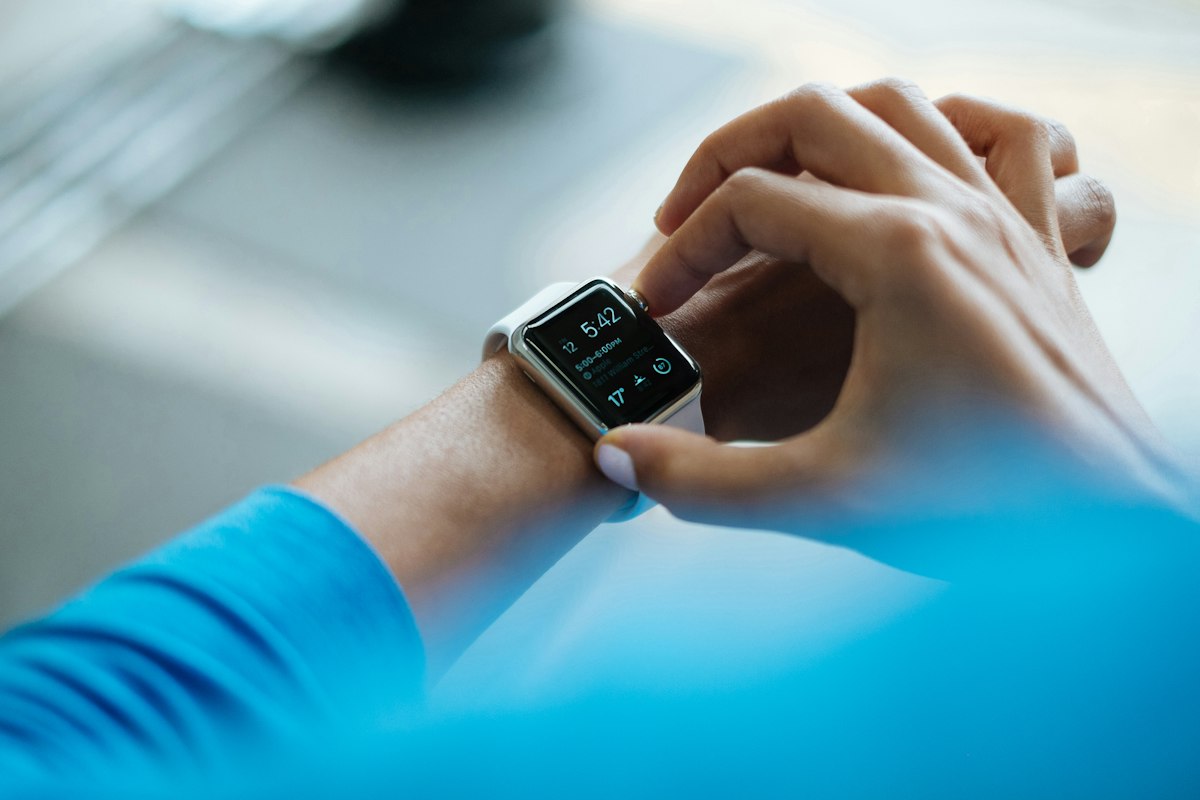
Gone are the days of fumbling for keycards or worrying about losing your cruise card at the pool. Smart wearables have become the ultimate cruise accessory, transforming how passengers interact with virtually every aspect of ship life. If you're planning your next vacation, check out our comprehensive guide to essential technology for travelers in 2026 to ensure you're bringing the right gadgets aboard.
The Ocean Medallion Effect
Carnival Cruise Line's Ocean Medallion pioneered the wearable revolution in cruising, and competitors quickly followed suit. These small, water-resistant devices handle an impressive array of functions: cabin access, cashless payments, wayfinding assistance, activity tracking, and even acting as a digital concierge that knows your location and preferences. The data collected feeds back into the ship's AI systems, creating a continuous feedback loop that improves personalization throughout your voyage.
The benefits extend beyond convenience. These wearables enable cruise lines to optimize passenger flow, reduce wait times at popular venues, and provide location-based services that enhance safety and emergency response capabilities. For tech enthusiasts considering different smartphone options and carrier deals versus buying unlocked devices, many cruise wearables now sync seamlessly with both iOS and Android devices, making connectivity easier than ever.
The Connectivity Revolution: Starlink Brings Real Internet to Sea
For years, cruise ship internet was notoriously slow, expensive, and unreliable—a frustrating limitation for anyone trying to stay connected or work remotely. That era is rapidly ending thanks to satellite technology breakthroughs, particularly SpaceX's Starlink system, which is bringing legitimate high-speed internet to the high seas.
Cruise Ship Internet Evolution
The impact goes far beyond checking email or social media. Reliable connectivity enables real-time cloud AI services, video streaming, gaming, and even remote work opportunities that were previously impossible at sea. For digital nomads and remote workers, modern cruise ships with Starlink are becoming viable floating offices, offering the unique combination of global travel and consistent productivity.
High-speed internet also powers many of the ship's own systems. Edge computing platforms on board can now sync more frequently with cloud services, enabling better data analytics, faster software updates, and more sophisticated AI applications that require cloud processing power.
Sustainable Ships: Green Tech Meets Smart Systems
Environmental sustainability is driving some of the most exciting technological innovations in the cruise industry. New vessels launching in 2026 showcase how green technology and smart systems work together to reduce environmental impact while maintaining luxury experiences. While planning your eco-conscious travel, you might also appreciate our recommendations for sustainable backpack brands making a difference in travel gear.

Electric Propulsion and Smart Energy Management
The "Changjiang Xingyao," debuting in 2026, represents a new generation of intelligent cruise vessels featuring electric propulsion systems and AI-driven energy management. These ships use IoT sensors throughout the vessel to monitor and optimize power consumption in real-time, ensuring that energy is distributed efficiently across all ship systems without compromising guest comfort.
Smart energy systems work hand-in-hand with maritime sustainability innovations like advanced wastewater treatment, shore power connectivity, and exhaust gas cleaning systems. The result is a significant reduction in environmental impact without sacrificing the amenities and experiences that cruisers expect.
AI-Powered Food Waste Reduction
Royal Caribbean's AI tool for food inventory management on massive ships like the Star of the Seas demonstrates how artificial intelligence can tackle one of cruising's biggest sustainability challenges. By analyzing historical consumption patterns, weather forecasts, passenger demographics, and real-time ordering data, these systems optimize ingredient ordering and meal preparation to minimize waste while ensuring every passenger gets the dining experience they desire.
The system processes data from 100,000 meals served daily, learning continuously to improve accuracy. Early results show significant waste reduction without any decrease in food quality or guest satisfaction—a win-win for both environmental responsibility and operational efficiency.
XR Entertainment: Virtual Reality and Augmented Experiences
Extended reality (XR) technologies—including virtual reality (VR), augmented reality (AR), and mixed reality—are transforming onboard entertainment and pre-cruise planning. Modern cruise ships feature VR experiences that range from thrilling adventures to virtual previews of shore excursions, helping passengers make informed decisions about which ports and activities to prioritize.
AR navigation apps overlay directional arrows and information on your smartphone screen as you explore the ship, making it easy to find restaurants, entertainment venues, and amenities even on the largest vessels. Some cruise lines are testing AR games that encourage families to explore different areas of the ship together, gamifying the experience while increasing engagement with onboard features.
Interactive digital experiences extend to shore excursions as well. Before booking a snorkeling tour or cultural experience, passengers can preview the location through 360-degree videos and VR simulations, ensuring that excursions match their expectations and interests. This technology is particularly valuable for travelers concerned about accessibility or physical requirements for specific activities.
Edge Computing and IoT: The Invisible Tech Infrastructure
While passengers enjoy the visible benefits of cruise tech—apps, wearables, fast internet—there's a sophisticated invisible infrastructure working tirelessly behind the scenes. Edge computing platforms process data locally on the ship, reducing latency and enabling real-time applications that wouldn't be feasible if data had to travel to cloud servers on shore and back.
IoT Sensors Throughout the Ship
Modern cruise ships are equipped with thousands of IoT sensors monitoring everything from passenger flow in restaurants to air quality in cabins, water temperature in pools, and equipment performance in engine rooms. This constant stream of data feeds into AI systems that optimize operations, predict maintenance needs before failures occur, and automatically adjust ship systems for maximum efficiency and guest comfort.
These sensors play a crucial role in safety as well. Advanced monitoring systems can detect potential issues—from minor equipment malfunctions to more serious concerns—and alert crew members immediately for rapid response. Decontamination technologies like SteraMist binary ionization systems are being deployed to handle health threats such as norovirus outbreaks, with IoT sensors helping identify affected areas quickly.

Mobile Apps: Your Cruise Operating System
If wearables are the hardware of modern cruising, mobile apps are undoubtedly the software. Most major cruise lines now offer comprehensive apps that serve as your digital hub for the entire voyage. These apps have evolved far beyond simple schedules and deck plans to become full-featured platforms that handle virtually every aspect of your cruise experience.
What Cruise Apps Can Do
Today's cruise apps provide digital boarding passes, eliminating paper documents and speeding up embarkation. Once aboard, you can use the app to book dining reservations, reserve entertainment shows, schedule spa appointments, order room service, and chat with other passengers. Push notifications keep you informed about daily activities, port arrival times, and personalized recommendations based on your preferences.
Integration with edge computing and onboard sensors means apps can show real-time information like current wait times for popular attractions, crowd levels at pools and restaurants, and even help you locate family members on the ship (with their permission, of course). For families traveling with children, this location-sharing feature provides peace of mind while allowing age-appropriate independence.
Many apps now integrate with your tablet device, whether you prefer iPad, Android, or Windows, allowing you to plan activities on a larger screen before syncing to your phone for on-the-go access.
The Ultimate Tech Packing List for Modern Cruisers
With all this advanced technology available onboard, you'll want to pack the right gadgets to take full advantage. Beyond the obvious smartphones and tablets, there are several cruise-specific tech items that can significantly enhance your voyage.
Most Essential Cruise Tech Accessories
Cruise-approved power strips (without surge protection, which many cruise lines prohibit) with multiple outlets and USB ports are essential for charging all your devices in small cabin spaces. Waterproof phone cases protect against pool splashes, beach excursions, and unexpected rain during port days. Cable organizers keep your charging cables tidy in tight cabin storage, while magnetic hooks can be attached to metal walls for hanging accessories.
If you're looking for affordable technology options that won't break your vacation budget, there are plenty of quality cruise accessories available under $100 that provide excellent value. From quality Bluetooth speakers for cabin entertainment to compact travel routers that can boost weak Wi-Fi signals, smart packing can significantly improve your cruise tech experience.
For travelers concerned about maintaining healthy sleep patterns while crossing time zones, natural approaches can help. Explore our guide on herbal sleep remedies rooted in ancient wisdom to ease jet lag and adjust to new schedules during your voyage.

Health and Wellness Tech at Sea
Modern cruise ships are incorporating advanced wellness technology to help passengers maintain healthy routines even while indulging in vacation mode. AI-powered fitness apps provide personalized workout recommendations based on your fitness level and goals, with some ships offering virtual personal training sessions that adapt in real-time to your performance.
Tech-enhanced spa areas feature hydrotherapy circuits with programmable jets, chromotherapy lighting systems, and even VR meditation experiences. Some wellness centers are experimenting with biometric tracking that monitors your stress levels and heart rate variability, providing personalized recommendations for spa treatments or relaxation activities.
Outdoor wellness spaces on newer ships integrate with the ship's app to provide scheduled guided meditation sessions, sunrise yoga classes with AR instructors, and nature sound experiences designed to promote relaxation and mindfulness. For those interested in natural approaches to wellness and relaxation while traveling, consider exploring smart backpacks designed for tech-savvy travelers that make it easier to stay organized and centered on your journey.
Looking Ahead: The Future of Cruise Technology
While today's cruise technology is impressive, the industry shows no signs of slowing its innovation pace. Looking toward the next few years, several emerging technologies promise to further revolutionize cruise travel.
Autonomous Navigation Systems
While fully autonomous cruise ships remain years away, advanced autopilot systems are increasingly handling routine navigation tasks, with human captains overseeing and intervening only when necessary. These systems use AI to analyze weather patterns, optimize routes for fuel efficiency, and predict optimal arrival times at ports based on real-time conditions.
Blockchain for Enhanced Security and Experiences
Some cruise lines are exploring blockchain technology for secure digital identity management, streamlined customs and immigration processing, and even cryptocurrency payments onboard. Smart contracts could automate excursion bookings, refunds, and loyalty program rewards, reducing administrative overhead while improving guest experiences.
Biometric Technology
Facial recognition and other biometric systems are being tested for frictionless embarkation, cabin access, and payment authorization. While raising important privacy considerations, these technologies promise to make security screening faster while providing personalized recognition throughout your voyage—imagine bartenders knowing your name and drink preferences automatically.
AI Travel Assistants for Comprehensive Planning
AI travel planning assistants like Journita are beginning to include cruise options in their personalized itinerary recommendations, analyzing your travel history, budget, preferences, and available vacation time to suggest optimal cruise experiences. These systems can compare hundreds of sailings across multiple cruise lines, considering factors like ship amenities, itineraries, and total cost in ways that would take humans hours to research manually.

Retail Innovation: Tech-Enhanced Shopping at Sea
The onboard retail experience is also undergoing a digital transformation. Harding+ outlined a 2026 vision for experience-led cruise retail that uses technology to redefine shopping aboard ships. AR try-on experiences let you visualize jewelry, watches, and fashion items before purchasing. Smart fitting rooms can suggest complementary items and alternative sizes without requiring you to leave the room.
Digital inventory systems ensure popular items are always in stock by predicting demand based on passenger demographics and historical purchase patterns. Mobile payment integration through ship apps means you can browse and purchase items for later delivery to your cabin, allowing you to enjoy onboard activities without carrying shopping bags.
The Convergence of Travel and Technology
What makes cruise travel tech particularly exciting is how it represents the broader convergence of travel, hospitality, and technology industries. The innovations happening on cruise ships often preview what we'll see in hotels, resorts, airlines, and other travel sectors. The cruise industry's unique challenges—limited connectivity, constrained physical spaces, diverse international clientele—force creative technological solutions that ultimately benefit all travelers.
For industry professionals and enthusiasts interested in how AI is transforming travel and tourism more broadly, cruise ships serve as fascinating case studies in practical AI deployment at scale. The combination of edge computing, IoT sensors, and cloud AI creates a unique hybrid architecture that balances real-time responsiveness with powerful analytics capabilities.
Conclusion: Setting Sail into a Tech-Enabled Future
Cruise travel technology has evolved from a luxury add-on to an essential infrastructure that defines the modern cruise experience. From AI agents that help you book the perfect voyage to wearables that eliminate the friction of traditional cruise logistics, from Starlink internet that keeps you connected anywhere on Earth's oceans to sustainable electric propulsion systems that protect the environments you're exploring—technology is making cruises more accessible, personalized, and environmentally responsible than ever before.
Whether you're a tech enthusiast eager to experience these innovations firsthand, a digital nomad looking to combine remote work with travel, or simply someone planning their next vacation, understanding cruise travel tech helps you make informed decisions about which cruise lines and ships offer the experiences you value most. The future of cruise travel is undeniably digital, and that future is already here.
As you plan your next voyage, remember to pack your essential tech accessories, download your cruise line's app before boarding, and prepare to experience the intersection of maritime tradition and cutting-edge innovation. The sea has never been more connected, more intelligent, or more welcoming to modern travelers.
Ready to explore more travel technology? Check out our complete travel tech packing list covering essential gadgets for any journey. For those struggling with jet lag and sleep disruption during travel, our partners at Natural Sleep Herbs offer insights into overcoming insomnia and achieving better rest naturally.