What Is AI Voice Cloning? A Plain-English Answer
By Chester Takau · July 2026
TL;DR
- AI voice cloning takes a short recording of someone's real voice and generates brand-new sentences in that same voice — it's the audio branch of what people loosely call a "deepfake"
- As of May 2026, tools only need about three seconds of sample audio to produce a convincing clone, according to CNN
- The global voice cloning market hit $4.9 billion in 2026, growing roughly 27% a year (MarketsandMarkets)
- It's also the fastest-growing fraud vector in the US — deepfake voice phishing surged over 1,600% in early 2025, and Americans lost more than $893 million to AI-related scams last year, per the FBI
- At least 12 US states now have voice-cloning laws, and the FCC has ruled that AI-generated voices in robocalls are illegal under the TCPA
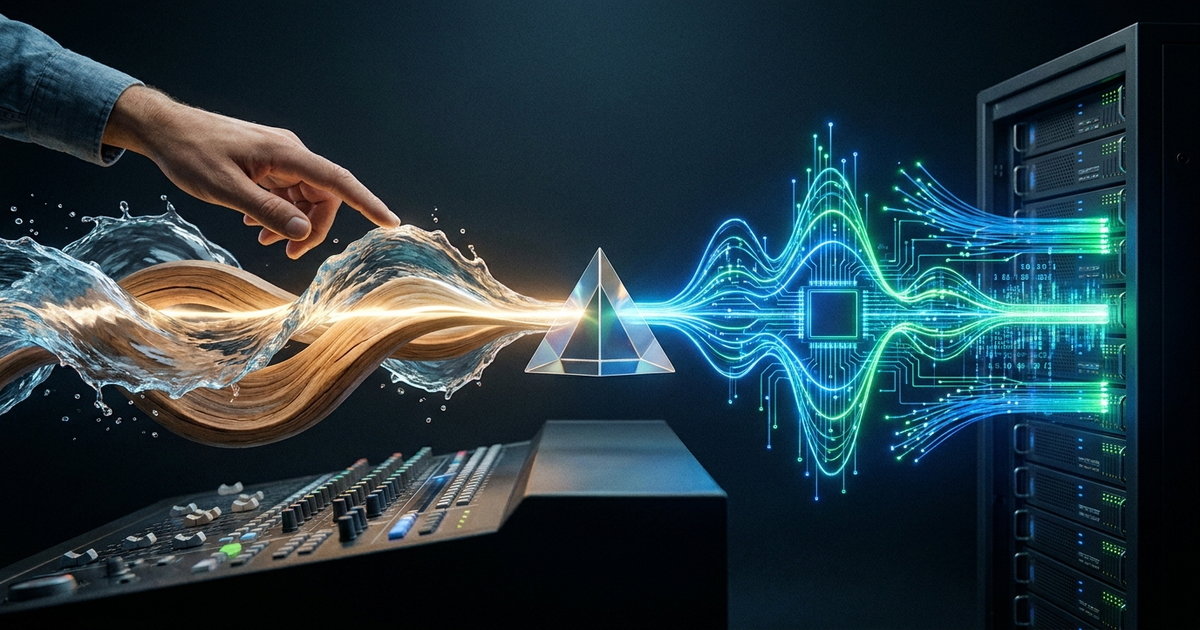
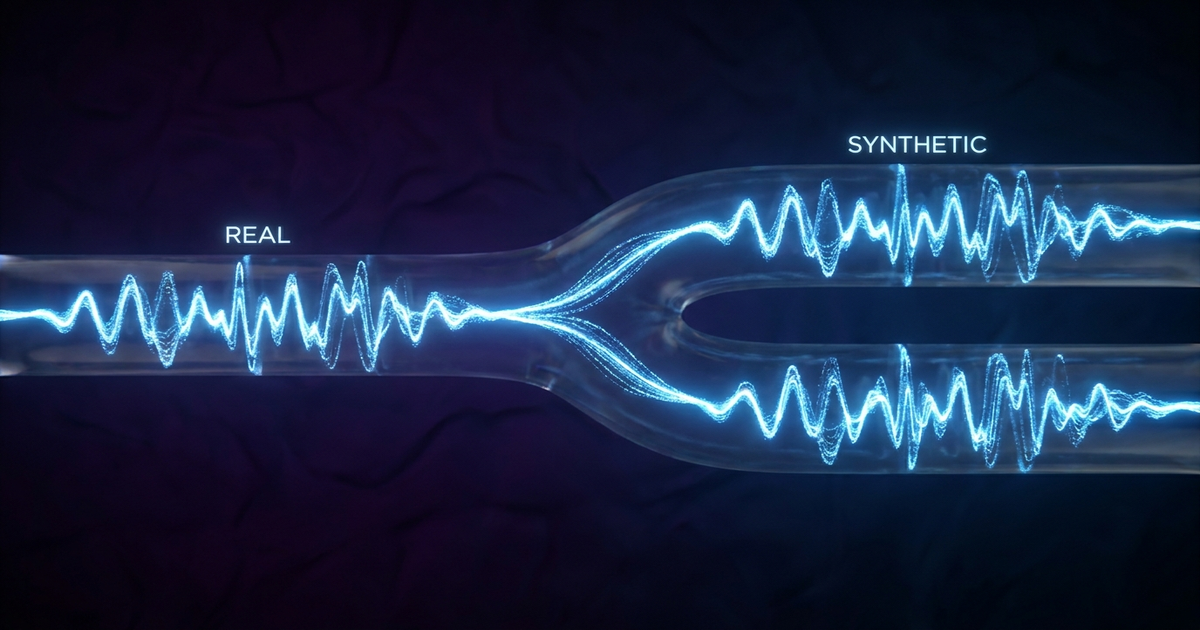
AI voice cloning is technology that takes a short sample of someone's real voice and uses it to generate new sentences in that exact voice — same pitch, accent, breathing pattern, even the little verbal habits — that the person never actually said. It works by separating a voice's identity (its timbre) from the words being spoken, then re-attaching that identity to a new script. It's the audio equivalent of a video deepfake, built on the same underlying idea. What's changed in 2026 is the sample size: tools that once needed minutes of clean audio now need seconds, which is why the tech has moved from a novelty into both a legitimate production tool and a live fraud problem in the same year.
Is voice cloning the same thing as a deepfake or text-to-speech?
Related, but not identical. Plain text-to-speech generates a synthetic voice that isn't modeled on any specific person — think an app's generic narrator. Voice cloning takes that same underlying tech and trains it on samples of one real person's speech, so the output carries their specific identity instead of a generic one. "Deepfake" is the broader umbrella term for any AI-faked media — video, image, or audio — and a cloned voice used to deceive someone is technically an audio deepfake, the same category covered on Wikipedia's audio deepfake entry. If you want the visual side of this same problem, how to spot a deepfake video covers the tells for faked footage.
How much audio does it actually take to clone a voice?
About three seconds, as of a May 29, 2026 CNN report — down from the minute or more of clean studio audio earlier cloning tools required. That's short enough to pull from a voicemail greeting, a TikTok clip, or a few seconds of someone answering the phone, which is exactly why the technology has become as accessible to casual creators as it has to scammers. Commercial tools like ElevenLabs and Descript, and open-source options like Coqui XTTS-v2, all work from this same short-sample principle — they just differ in how much consent verification they require before letting you clone a voice that isn't yours.
If you want the mechanics walked through visually rather than in text, this breakdown covers how a cloning model separates voice identity from the words being spoken, and why that split is what makes the whole thing possible.
Is AI voice cloning legal?
It depends on consent and where you are, not on the technology itself. At least 12 US states now have laws addressing it directly, including California, New York, and Tennessee's ELVIS Act, which explicitly protects a person's voice as their own property. The FCC has separately ruled that AI-generated voices in robocalls violate the TCPA. Reputable platforms build consent checks into the process — ElevenLabs requires verification before cloning and bans cloning public figures without permission — but open-source tools have no such gate, which is where most of the legal and ethical debate lives. Cloning your own voice for a podcast or video is generally fine; cloning someone else's without their sign-off is the part the law is racing to catch up on, as this Duquesne Juris Magazine piece on consent lays out.
How are scammers actually using this, and how do you protect your family?
The most common version is the "grandkid in trouble" call — a cloned voice, built from a few public seconds of someone's real speech, panicking about bail money or a hospital bill. Roughly one in four people report having encountered a deepfake voice scam already, with average losses around $6,000 and cases running as high as $15,000. Nationally, the FBI puts total AI-scam losses at more than $893 million last year. The single most effective defense is one the FTC recommends directly: agree on a family safe word nobody would guess, and always hang up and call the person back on their known number before sending money — never continue the conversation the scammer started.
Can you actually tell if a voice is AI-generated?
Not reliably anymore, and it's worth being honest about that instead of repeating outdated advice about robotic tone or awkward pauses. Researchers now say most people can no longer distinguish a good clone from the real person by ear alone. That's the practical reason the safe-word-and-callback habit matters more than trying to "listen closely" — detection by ear is a shrinking option, and verification by a second channel is the one that still works. If you're weighing whether to run cloning tools yourself rather than trusting a cloud service with your voice, what is on-device AI covers the privacy trade-offs of processing locally instead. And if you're a creator considering cloning your own voice for content, AI tools for content creators covers where that fits alongside the rest of the toolkit.
Transparency note: This article was researched and written by Chester Takau with AI assistance for research gathering and drafting. All recommendations reflect the author's own editorial judgment.